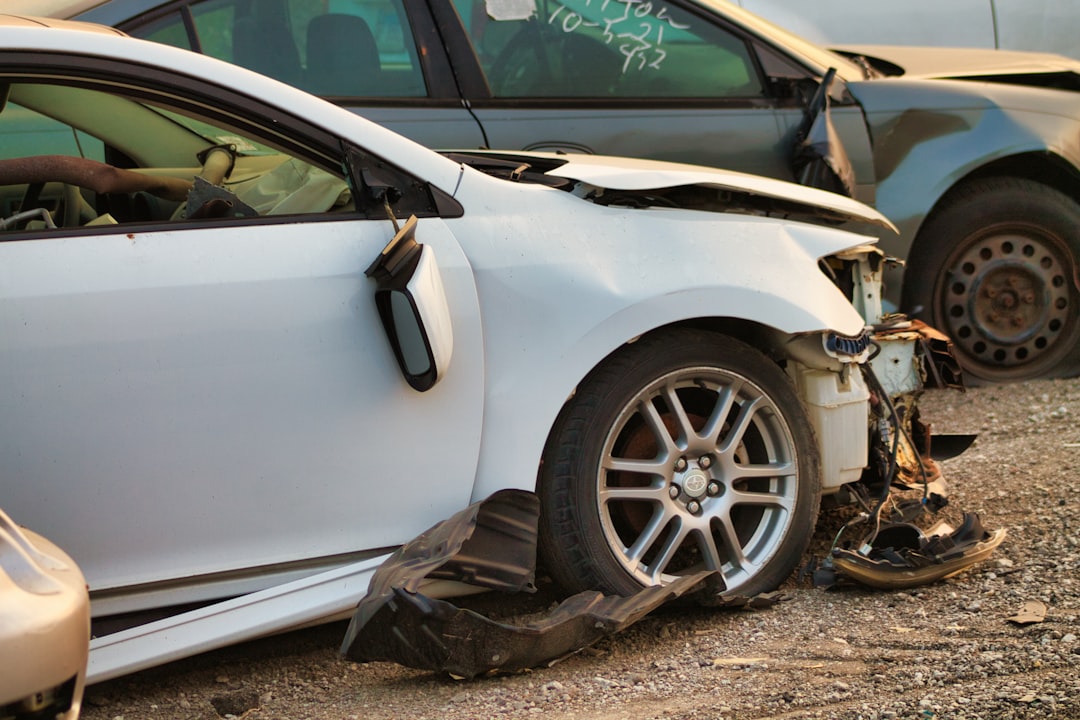
Understanding the Ripple Effect of an "Ongeval A29 Vandaag"
When an incident like an Ongeval A29 Vandaag occurs, it’s more than just a temporary disruption. It triggers a complex chain of events, impacting not only those directly involved but also countless commuters, emergency services, and the broader economic flow of the region. As we explored some immediate aspects in Ongeval A29 Vandaag - Article 1, this follow-up delves deeper into the underlying causes of such incidents, the protocols for effective response, and critically, how we can collectively work towards preventing them. The A29, a vital artery in the Dutch road network, demands our constant attention and a commitment to road safety from every driver.
The A29: A Critical Link and Its Vulnerabilities
The A29 motorway serves as a crucial north-south connection, linking cities like Rotterdam with the Hoeksche Waard and beyond. Its strategic importance means it carries significant volumes of both passenger and freight traffic daily. This constant high-traffic flow, combined with varying driving conditions, inherently creates scenarios where incidents are unfortunately more likely. Factors such as congestion during peak hours, sudden changes in weather, and the sheer number of vehicles on the road all contribute to the potential for an Ongeval A29 Vandaag. Understanding these inherent vulnerabilities is the first step towards mitigating risks.
- High Traffic Volume: More vehicles mean a higher probability of interaction and potential for error.
- Commuter Stress: Drivers rushing to work or home may be less patient, increasing risky manoeuvres.
- Weather Dependency: Fog, heavy rain, or icy conditions can drastically reduce visibility and grip, making the road treacherous.
- Construction and Maintenance Zones: These necessary disruptions can create unexpected traffic patterns and bottlenecks.
Common Contributors to Road Incidents on Busy Motorways
While every Ongeval A29 Vandaag has its unique circumstances, patterns often emerge regarding the most common causes of road incidents on motorways. These factors are generally well-known but frequently underestimated by drivers. Addressing these at an individual and systemic level is paramount for improving overall road safety.
The Pervasive Issue of Driver Behaviour
At the heart of many accidents lies human error and poor decision-making. Despite extensive public awareness campaigns and strict traffic laws, certain behavioural patterns consistently lead to dangerous situations:
- Distracted Driving: The use of mobile phones, adjusting infotainment systems, or even engaging in intense conversations can divert attention from the road for critical seconds. Studies consistently show that distracted driving is a leading cause of collisions.
- Excessive Speeding and Tailgating: Driving too fast for conditions or failing to maintain a safe following distance drastically reduces reaction time and stopping capability. On a busy motorway like the A29, sudden braking can lead to multi-vehicle pile-ups.
- Fatigue: Drowsy driving can be as dangerous as impaired driving. Long hours on the road, especially after a full day's work, impair judgment and reaction speed.
- Impaired Driving: Driving under the influence of alcohol or drugs remains a serious problem, severely compromising a driver's ability to operate a vehicle safely.
- Lack of Situational Awareness: Failing to anticipate potential hazards, monitor blind spots, or react appropriately to changing traffic conditions.
External Factors and Infrastructural Challenges
While driver behaviour is critical, external elements also play a significant role. Infrastructure and environmental conditions can either enhance or detract from road safety:
- Adverse Weather Conditions: Rain, fog, ice, and strong winds diminish visibility and reduce tire grip, demanding increased caution from drivers. Roads can become unexpectedly slippery.
- Road Design and Maintenance: While Dutch motorways are generally well-maintained, specific sections, merge lanes, or older infrastructure might present unique challenges. Poor drainage, worn road markings, or sudden curves can become factors.
- Traffic Flow Management: Inefficient traffic management systems during peak hours or incidents can lead to sudden stoppages and frustration, increasing the risk of rear-end collisions.
Responding to an Incident: Protocols and Personal Responsibility
When an Ongeval A29 Vandaag does occur, an effective and swift response is crucial to minimize further harm, manage traffic, and facilitate recovery. This involves a coordinated effort from emergency services, but also informed actions from the public.
If You Are Involved in an Accident
- Prioritize Safety: Move your vehicle to the hard shoulder if possible and safe to do so. Turn on your hazard lights and place a warning triangle. Ensure all occupants are safe.
- Assess Injuries: Check yourself and others for injuries. If anyone is injured, call the emergency services (112 in the Netherlands) immediately.
- Secure the Scene: Do not move seriously injured people unless absolutely necessary for their safety. Wait for professional help.
- Exchange Information: If no one is seriously injured, exchange insurance and contact details with the other party/parties involved.
- Document the Incident: Take photos of the scene, vehicle damage, and any relevant road conditions. This will be invaluable for insurance claims.
If You Witness an Accident or Encounter Congestion
Your actions as a bystander can make a significant difference. Remember, safety first:
- Do Not Drive Distracted: Resist the urge to slow down excessively or use your phone to record the incident. This creates secondary risks.
- Maintain a Safe Distance: Keep sufficient distance from the accident scene to allow emergency services room to work.
- Form an Emergency Lane (Reddingsstrook): In the Netherlands, drivers are legally required to form an emergency lane between the left and middle (or right) lanes on multi-lane motorways to allow emergency vehicles to pass. This is vital for a swift response to an Ongeval A29 Vandaag.
- Check Traffic Information: Tune into local radio, use navigation apps, or consult Rijkswaterstaat's traffic information services (e.g., via Rijkswaterstaat.nl) for updates on diversions or road closures. You might find more details on traffic management and recovery efforts discussed in Ongeval A29 Vandaag - Article 3.
Proactive Measures: Preventing Future Incidents on the A29
The ultimate goal is to reduce the frequency and severity of incidents on the A29. This requires a multi-faceted approach, encompassing individual driver responsibility, technological advancements, and ongoing infrastructural improvements.
Empowering the Individual Driver
Every driver holds the power to make the A29, and indeed all roads, safer. Practical steps include:
- Defensive Driving: Always anticipate potential hazards. Look ahead, be aware of what's around you, and expect the unexpected.
- Regular Vehicle Maintenance: Ensure your tires are properly inflated and have sufficient tread, brakes are in good working order, and lights are functional. A well-maintained vehicle is a safer vehicle.
- Planning Your Journey: Check traffic and weather forecasts before you leave. Plan for sufficient rest breaks on long journeys.
- Focus on the Road: Eliminate distractions. Put your phone away, set your navigation before you start driving, and stay alert.
- Adhere to Traffic Laws: Obey speed limits, traffic signs, and maintain appropriate following distances.
Collective and Infrastructural Efforts
Beyond individual actions, significant efforts are made by authorities like Rijkswaterstaat to enhance road safety:
- Smart Traffic Management: Utilizing dynamic speed limits, peak-hour lanes, and real-time incident detection systems to manage traffic flow and react quickly to disruptions.
- Infrastructure Upgrades: Continuous assessment and improvement of road design, lighting, signage, and barriers to reduce accident risks and mitigate severity.
- Public Awareness Campaigns: Ongoing initiatives to educate drivers on the dangers of speeding, distracted driving, and driving under the influence.
- Emergency Response Training: Ensuring that emergency services are well-trained and equipped to respond efficiently to an Ongeval A29 Vandaag or any other major incident.
Conclusion
An Ongeval A29 Vandaag serves as a stark reminder of the inherent risks on our roads and the profound impact of even a single incident. While accidents are sometimes unavoidable, a significant number can be prevented through heightened awareness, responsible driving, and continuous investment in road safety. By understanding the common causes, knowing how to react safely to incidents, and proactively adopting safer driving habits, every road user contributes to a more secure environment for all on the A29 and beyond. Let's commit to vigilance and responsibility, making our journeys safer for everyone.