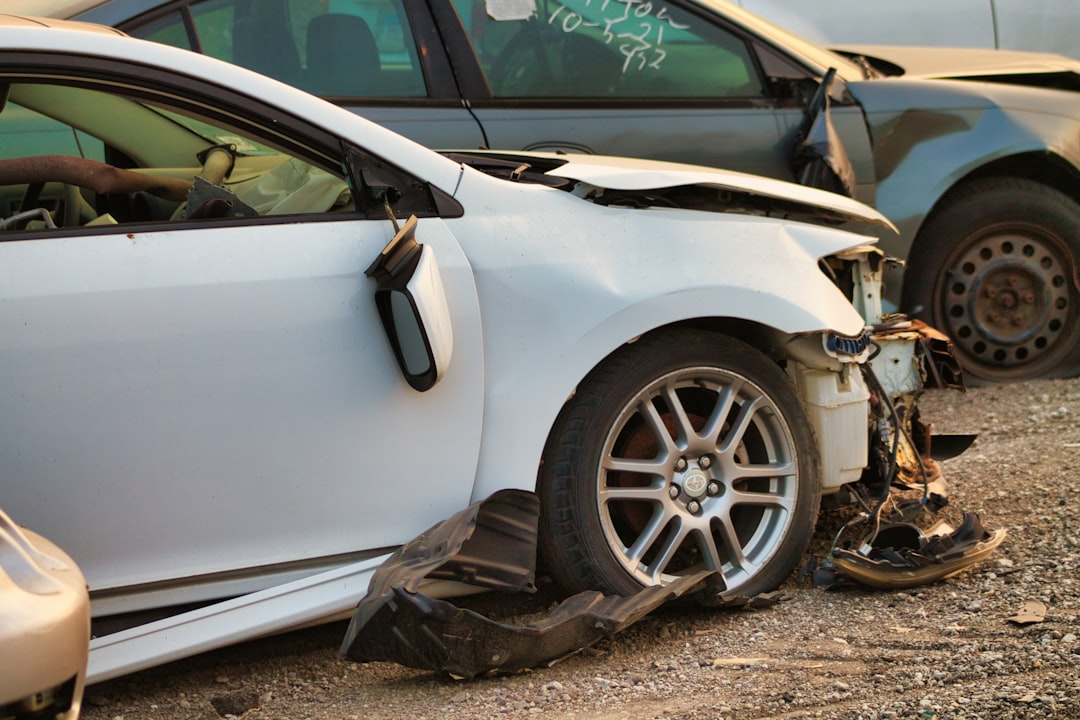
The Dutch highway network is a vital artery for transport and commerce, but with high traffic volumes, incidents are an unfortunate reality. When an event like an "Ongeval A29 Vandaag" (A29 accident today) occurs, it immediately captures public attention, not just for the immediate disruption but also for the deeper implications it carries. While Ongeval A29 Vandaag - Article 1 may have covered the initial reports and immediate traffic impacts, and Ongeval A29 Vandaag - Article 2 delved into the immediate aftermath and emergency response, this third article aims to explore the broader, long-term impact of such incidents, focusing on recovery, prevention, and the collective efforts required to enhance road safety on the A29 and beyond.
Road accidents, regardless of their scale, leave a lasting impression. Beyond the immediate physical damage and traffic delays, there are profound psychological, financial, and societal repercussions that warrant a comprehensive understanding. By examining these facets, we can better prepare for and prevent future occurrences, transforming tragedy into a catalyst for positive change.
The Ripple Effect: Beyond the Immediate Aftermath of an A29 Accident
An incident like an "Ongeval A29 Vandaag" is far more than just a temporary traffic jam. Its impact extends much further, creating a ripple effect that touches numerous lives and systems. Understanding these broader consequences is crucial for developing effective post-accident support and long-term prevention strategies.
Psychological and Emotional Trauma
For those directly involved in a serious A29 accident, the psychological scars can be far deeper and longer-lasting than any physical injuries. Victims, witnesses, and even first responders often grapple with significant emotional trauma. This can manifest as:
- Post-Traumatic Stress Disorder (PTSD): Flashbacks, nightmares, severe anxiety, and uncontrollable thoughts about the event.
- Anxiety and Fear: A developed fear of driving or being a passenger, leading to avoidance of highways or even daily commutes.
- Depression: Feelings of sadness, hopelessness, and loss, especially in cases of severe injury or bereavement.
- Grief: For those who have lost loved ones, the grieving process is often complicated by the sudden and violent nature of a road accident.
The emotional toll can affect personal relationships, work performance, and overall quality of life, underscoring the need for accessible mental health support in the aftermath of such events.
Physical Recovery and Rehabilitation
While some A29 accidents result in minor bumps and scrapes, others lead to severe injuries requiring extensive medical care and rehabilitation. This path to recovery can be arduous and prolonged, involving:
- Hospital Stays: From emergency care to surgical interventions and intensive care.
- Long-Term Therapy: Physiotherapy for mobility, occupational therapy for daily tasks, and speech therapy for head injury victims.
- Pain Management: Chronic pain can be a persistent challenge, necessitating ongoing medical treatment.
- Adaptation to Disability: In some tragic cases, accidents result in permanent disabilities, requiring significant lifestyle adjustments and ongoing support.
The journey back to normalcy, or a new normal, is a testament to the resilience of the human spirit but also highlights the immense strain on individuals and healthcare systems.
Financial and Economic Strain
The financial consequences of an A29 accident can be devastating, impacting individuals, families, and even the broader economy:
- Medical Expenses: Even with robust healthcare systems, out-of-pocket expenses, prescription costs, and long-term care can accumulate rapidly.
- Lost Income: Inability to work due to injuries can lead to significant financial hardship, especially for self-employed individuals or those without comprehensive disability insurance.
- Property Damage: Vehicle repairs or replacement, often accompanied by increased insurance premiums.
- Legal Fees: Engaging legal counsel to navigate insurance claims or pursue compensation can be costly.
- Economic Impact: Traffic delays caused by an "Ongeval A29 Vandaag" can result in lost productivity for businesses, missed appointments, and logistical bottlenecks, affecting supply chains and local economies.
Navigating the Path to Recovery: Practical Steps for Accident Victims
For anyone involved in a road accident, whether on the A29 or elsewhere, the period immediately following and the subsequent recovery phase can be overwhelming. Knowing what steps to take can significantly ease the burden and facilitate a smoother recovery process.
- Seek Immediate Medical Attention: Even if you feel fine, it's crucial to be examined by medical professionals. Some injuries, like whiplash or internal trauma, may not manifest symptoms immediately. Your medical report will also be vital for insurance claims.
- Report the Incident: Ensure the police are called to the scene. Their official report provides an unbiased account of the accident, which is indispensable for insurance companies. Collect details of all parties involved, including names, contact information, insurance details, and vehicle registration numbers.
- Document Everything: Take photos or videos of the accident scene, vehicle damage, road conditions, and any visible injuries. Keep a detailed log of all medical appointments, treatments, expenses, and communications with insurance companies or legal representatives.
- Contact Your Insurance Provider: Report the accident as soon as possible. Be honest and factual, providing all documented evidence. Understand your policy's coverage for medical expenses, vehicle damage, and potential liability.
- Consider Legal Counsel: Especially in cases of serious injury or complex liability, consulting with a personal injury lawyer can be highly beneficial. They can help navigate the legal intricacies, ensure you receive fair compensation, and handle communication with opposing parties.
- Prioritize Mental Health: Do not underestimate the psychological impact. Seek support from family, friends, or a mental health professional if you experience anxiety, fear, or other emotional distress related to the accident. Support groups can also provide a valuable outlet.
- Plan for Rehabilitation: Work closely with your doctors and therapists to create a comprehensive rehabilitation plan. Adherence to this plan is key to achieving the best possible physical recovery.
Remember, your well-being is paramount. Taking these structured steps can help you reclaim control during a challenging time and focus on your recovery.
Proactive Road Safety: Preventing Future "Ongeval A29 Vandaag" Incidents
While addressing the aftermath of accidents is critical, the ultimate goal must be prevention. Every "Ongeval A29 Vandaag" serves as a stark reminder of the continuous need for vigilance and innovation in road safety. A multi-faceted approach involving individual responsibility, technological advancements, and robust infrastructure is essential.
Driver Responsibility: The Human Element
The vast majority of accidents are attributed to human error. Promoting responsible driving behaviors remains the cornerstone of accident prevention:
- Adherence to Speed Limits: Speed is a major contributing factor in accident severity. Respecting posted limits and adjusting speed to conditions is crucial.
- Eliminate Distractions: Mobile phones, infotainment systems, and even engaging conversations can divert attention from the road. "Eyes on the road, hands on the wheel, mind on driving."
- Avoid Impaired Driving: Driving under the influence of alcohol or drugs dramatically impairs judgment and reaction time. Designated drivers, public transport, or ride-sharing services are always safer alternatives.
- Combat Driver Fatigue: Drowsy driving can be as dangerous as impaired driving. Take breaks, get adequate rest, and avoid driving during peak fatigue hours.
- Maintain Safe Following Distances: The "two-second rule" (or more in adverse conditions) provides crucial reaction time.
Technological Advancements in Vehicle Safety
Modern vehicles are equipped with an increasing array of Advanced Driver-Assistance Systems (ADAS) designed to prevent accidents or mitigate their severity:
- Automatic Emergency Braking (AEB): Detects potential collisions and applies brakes if the driver doesn't react.
- Lane-Keeping Assist (LKA) / Lane Departure Warning (LDW): Helps keep the vehicle within its lane or warns the driver if they drift.
- Blind Spot Monitoring (BSM): Alerts drivers to vehicles in their blind spots.
- Adaptive Cruise Control (ACC): Maintains a set speed and a safe distance from the vehicle ahead.
- Electronic Stability Control (ESC) and Anti-lock Braking Systems (ABS): Standard features that significantly improve vehicle control in challenging conditions.
These technologies act as an extra layer of protection, complementing responsible driving.
The Role of Infrastructure and Smart Road Solutions on the A29
Beyond individual vehicles and drivers, the design and management of road infrastructure play a pivotal role in preventing incidents like an "Ongeval A29 Vandaag". The A29, like other major Dutch highways, benefits from continuous improvements and innovative approaches.
Smart Traffic Management Systems
The Netherlands is a leader in intelligent transport systems (ITS). On the A29, these systems:
- Variable Message Signs (VMS): Provide real-time information on traffic, road conditions, and potential hazards, allowing drivers to make informed decisions and adjust routes.
- Dynamic Lane Management: Optimizes traffic flow by opening or closing lanes based on demand, reducing congestion and the risk of stop-and-go collisions.
- Ramp Metering: Controls the flow of vehicles entering the highway, preventing sudden surges that can disrupt traffic flow on the main carriageway.
- Incident Detection Systems: Utilize cameras and sensors to rapidly identify accidents or breakdowns, allowing emergency services to be dispatched more quickly, minimizing secondary incidents.
Road Design and Maintenance
Careful road design and consistent maintenance are fundamental to safety:
- Clear Markings and Signage: Well-maintained lane markings, reflective signs, and clear road furniture guide drivers effectively, especially in poor visibility.
- Adequate Lighting: Especially at junctions, merges, and potentially hazardous stretches, good lighting improves visibility for all road users.
- Safety Barriers: Crash barriers and guardrails are strategically placed to absorb impact and prevent vehicles from leaving the road or crossing into oncoming traffic.
- Emergency Lanes and Hard Shoulders: Provide a safe space for breakdowns and allow emergency vehicles to bypass congestion, crucial for rapid response to an A29 accident.
- Road Surface Quality: Regular maintenance to prevent potholes, cracks, and uneven surfaces ensures optimal grip and reduces the risk of skidding.
The integration of these infrastructural and technological solutions creates a safer driving environment, continually adapting to traffic patterns and potential risks on highways like the A29.
In conclusion, while an "Ongeval A29 Vandaag" is an immediate and disruptive event, its true significance lies in its capacity to highlight the complex interplay of factors affecting road safety. From the profound human impact of trauma and recovery to the imperative for individual responsibility and advanced technological prevention, every aspect demands our attention. By understanding the full spectrum of consequences, embracing proactive safety measures, and continuously investing in smarter infrastructure, we can collectively work towards a future where such incidents become increasingly rare, ensuring that our vital road networks like the A29 remain as safe and efficient as possible for everyone.